
BEST COIR
PRODUCTS
SUPPLIER
Location
No.09, Pengiriwatte Mawatha, Mirihana, Nugegoda,
Colombo, Western Province, Sri Lanka.
Contact
+94 (0)76 791 4088
marketing@ecotrends.lk
BEST COIR
PRODUCTS
SUPPLIER
Location
No.09, Pengiriwatte Mawatha, Mirihana, Nugegoda,
Colombo, Western Province, Sri Lanka.
Contact
+94 (0)76 791 4088
marketing@ecotrends.lk
If you've spent any time fine-tuning your greenhouse setup - whether in the sunbaked fields of Mexico or the misty coasts of Canada - you know that the growing medium is half the battle. That’s why fiber and coir products have quietly become a staple for commercial tomato and cucumber growers. And it’s not just about moisture retention or aeration. It’s about control, consistency, and crop health.
Let’s get into why these coconut-based materials are taking over and what to watch out for when buying.
Honestly, if you've ever used cheap filler blocks that crumble too fast or hold water like a desert, you know the pain. But quality fiber and coir products for greenhouse systems? That’s a different story.
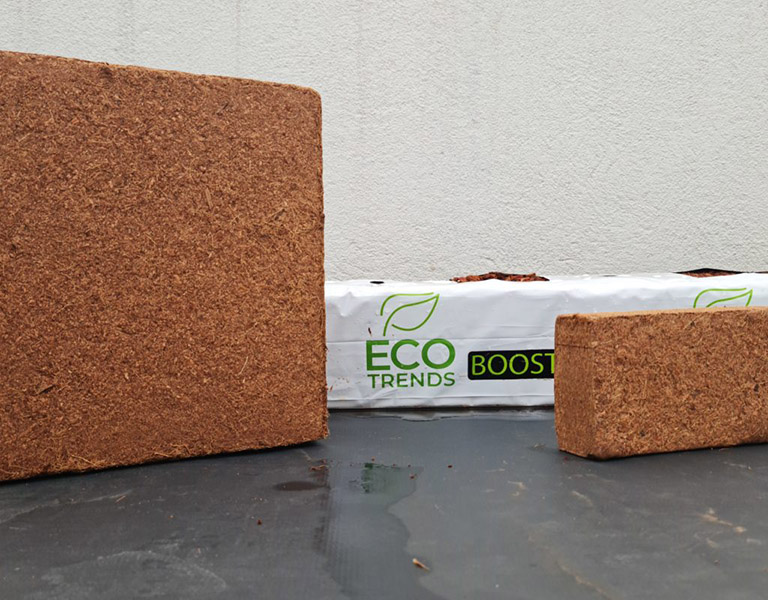
These materials are typically made from the husk of the coconut, yeah, the stuff people used to toss out. Turns out, it makes an ideal medium that’s clean, biodegradable, and surprisingly resilient. Good products are washed, dried, and buffered to make them pH and EC balanced. Great ones? They’re consistent from block to block, bale to bale.
Take a look at what’s out there on the Wikipedia page for coir - it’s more than just dirt replacement. It’s a growing revolution.
You know what? That’s probably the most asked question among first-time greenhouse builders and seasoned growers alike. While there are countless sellers out there, the trick is finding someone who’s transparent about sourcing and processing. That’s where suppliers in regions like Sri Lanka come in - they’ve got decades of experience and access to raw material right at the source.
If you're looking for a reliable quality fiber and coir products supplier, it's worth starting with companies that provide detailed product specs and customer service that actually responds.
Here’s a small checklist that can save you a big headache:
Oh - and if you ever need direct answers, don’t hesitate to contact for fiber and coir products from trusted suppliers.
Fiber and coir products work wonders in hydroponic greenhouses. They provide:
Farmers in Germany and Japan are even customizing their mixes with perlite and biochar for specific crops. That’s how versatile the material is.
And if you're a numbers person, check the details on Wikidata’s coir entry. It’s a deep rabbit hole—but worth the click.
There’s more to the market than just compressed bricks. The fiber and coir products range includes grow bags, discs for seedlings, hanging basket liners, and even erosion control blankets. If you're growing tomatoes, lettuce, cucumbers, or herbs, there's a variation that’s likely tailored to your needs.
Curious what’s best for your crops? Reach out and explore tailored solutions. The range is wider than many assume.
So next time someone mentions growing media, you’ll know there’s more behind that humble block than meets the eye.
Want to start somewhere reliable? Here’s a Sri Lankan supplier worth checking out. And yes, you can contact them directly here.
Sometimes, good growth just starts with the right base.