
BEST COIR
PRODUCTS
SUPPLIER
Location
No.09, Pengiriwatte Mawatha, Mirihana, Nugegoda,
Colombo, Western Province, Sri Lanka.
Contact
+94 (0)76 791 4088
marketing@ecotrends.lk
BEST COIR
PRODUCTS
SUPPLIER
Location
No.09, Pengiriwatte Mawatha, Mirihana, Nugegoda,
Colombo, Western Province, Sri Lanka.
Contact
+94 (0)76 791 4088
marketing@ecotrends.lk
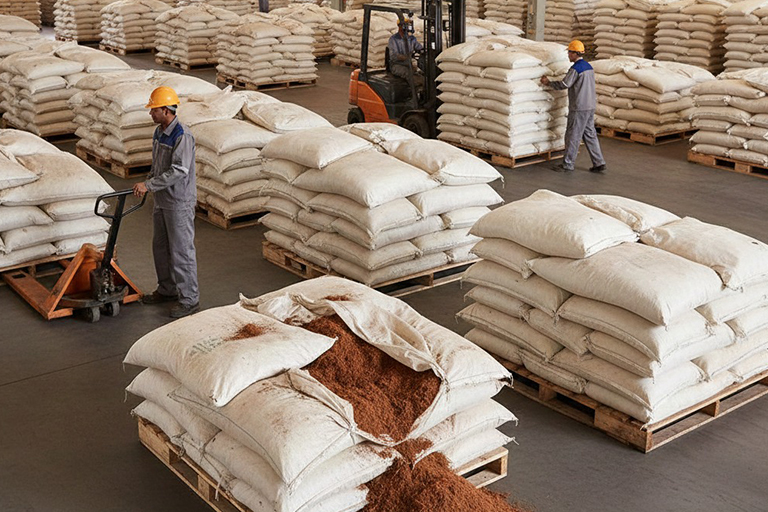
Coconut coir grow bags suppliers are quietly changing how greenhouse crops get started, and that shift matters more than many growers expect. If you run tomato rows in Ontario or hydroponic tunnels in Dubai, you already know how much the root zone controls yield. A bag that drains well but holds moisture that’s the sweet spot.
Let me explain why coir has become the go-to medium.
Coir comes from coconut husk fiber, processed into airy, stable growing blocks. It’s clean, consistent, and friendly to automation systems. According to Wikipedia’s entry on coir, the material resists rot and handles water with impressive balance a trait growers rely on when nutrient schedules get tight (https://en.wikipedia.org/wiki/Coir).
Here’s the thing. Roots don’t like surprises. They prefer uniform texture, steady moisture, and oxygen that doesn’t vanish after irrigation. That’s exactly why coconut coir grow bags suppliers focus on fiber grading and compression standards.
Many commercial teams source through partners such as a quality fiber and coir products supplier at https://ecotrends.lk, especially when scale and uniformity start to matter more than price tags.
And if you’re testing new substrates this season, sometimes it helps to talk directly with the source — https://ecotrends.lk/contact.php is one of those low-key links growers bookmark and come back to later.
Funny enough, coir looks simple. But the processing behind it? That’s where performance lives or dies.
Another reference worth a glance Wikidata notes coir’s durability and water handling traits (https://www.wikidata.org/wiki/Q1029620). Not glamorous reading, but helpful when training new staff.
Coir isn’t magic. Poor buffering or low-grade fiber can stunt early growth. But when sourced carefully, it becomes one of the most reliable foundations for tomatoes and cucumbers in climate-controlled houses.