BEST COIR
PRODUCTS
SUPPLIER
Location
No.09, Pengiriwatte Mawatha, Mirihana, Nugegoda,
Colombo, Western Province, Sri Lanka.
Contact
+94 (0)76 791 4088
marketing@ecotrends.lk
BEST COIR
PRODUCTS
SUPPLIER
Location
No.09, Pengiriwatte Mawatha, Mirihana, Nugegoda,
Colombo, Western Province, Sri Lanka.
Contact
+94 (0)76 791 4088
marketing@ecotrends.lk
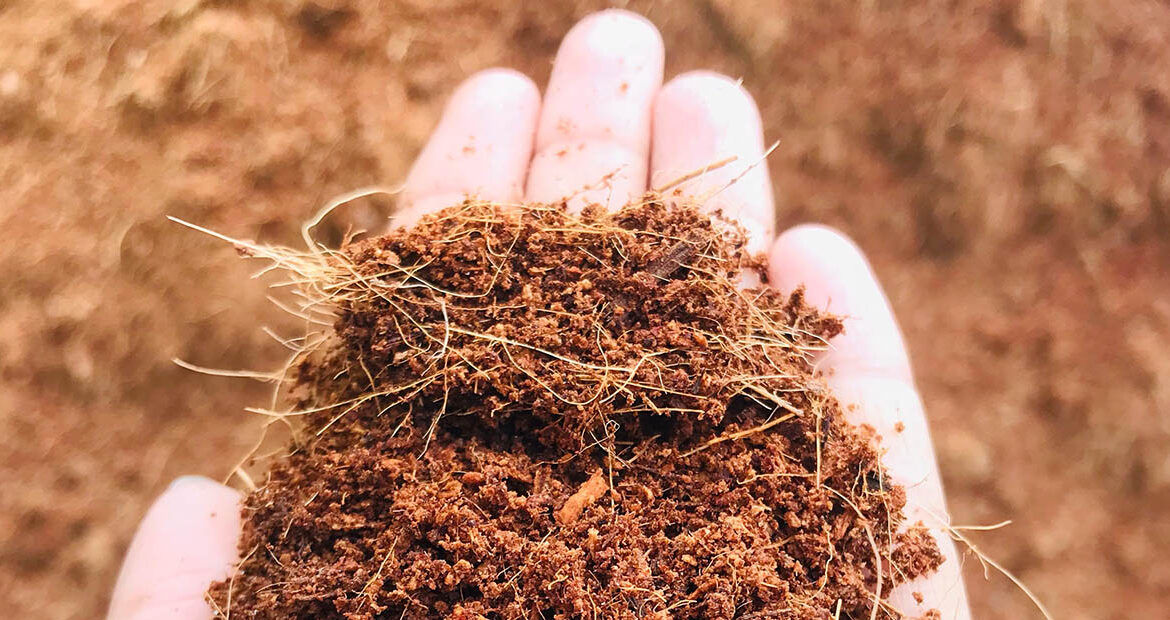
If you’ve ever worked in a greenhouse - whether tending to rows of juicy tomatoes or coaxing cucumbers up trellises - you've probably heard the buzz around coco coir substrate. And let’s be real, it's not just hype. Grown from the husks of coconuts, this unassuming brown fiber has quietly become the unsung hero in commercial farming.
Especially in places like Sri Lanka, where the climate and expertise merge to produce some of the world’s finest coir. So, what’s the big deal? And more importantly, how do you find the right stuff for your greenhouse?
Let’s dig in.
Here’s the thing - Sri Lanka isn’t just a source of coir. It's the source. And not by accident. Generations of local farmers have refined the processing techniques, blending tradition with some serious innovation.
Honestly, it’s no surprise that some of the best coco coir products manufacturers hail from here.
Let me break it down simply. When you're dealing with greenhouse crops like tomatoes or cucumbers, you want three things from your growing medium:
Coco coir nails all of this - when it’s processed right. That last part? It matters more than most people realize.
One farmer I spoke with in Ontario said switching to Sri Lankan coco coir bags improved his tomato yields by 30% - not because the plants magically grew better, but because he didn’t have to fight inconsistent moisture levels anymore.
Now comes the big question: Where do I actually get the good stuff? Not every grow bag or substrate block labeled "coir" is made equal.
Here’s a quick checklist for buying smart:
And don’t just Google your way into a questionable deal. Go with someone who's been around. Best coir products supplier — worth checking.
If you’re serious about quality or need to ask questions, don’t hesitate to contact best coir products supplier. No fluff. Just straight answers.
This part matters too. When you buy from Sri Lanka, you’re often supporting farms that prioritize eco-conscious practices. Many manufacturers use biodegradable packaging, recycle water from their retting tanks, and employ community labor in rural areas.
It’s not just about the plants. It’s about the planet.
In fact, if you’re curious about the broader story of coir, you might enjoy this read from Wikipedia or check out the technical side on Wikidata.
Bottom line? Quality matters. And when it comes to finding coco coir substrate that’s reliable, clean, and consistent, Sri Lanka’s producers are a safe bet.